A
Axio Team
07 July 2026
filling station inventory management
fuel inventory management
fuel stock management
filling station stock control
petroleum inventory
filling station management
fuel station management
fuel delivery management
pump meter readings
tank dip readings
lubricant inventory
filling station shop inventory
filling station software
Axio Suite
petroleum management software
fuel reconciliation
fuel variance
OMC management
filling station Ghana
petroleum operations
Learn how to manage fuel stock, lubricants, shop items, deliveries, transfers, and inventory records at a filling station. This complete guide explains how better inventory management can improve control and reduce operational losses.
Inventory management is one of the most important parts of running a filling station.
When people think about filling station inventory, they usually think only about petrol and diesel stored in underground tanks.
Fuel is certainly the most valuable inventory for many filling stations, but modern station operations may involve much more.
A station may manage lubricants, engine oils, shop products, spare operational materials, and other items used or sold within the business.
Every product has a quantity.
Every product has a value.
When inventory is poorly managed, a filling station can experience shortages, overstocking, inaccurate reports, unnecessary purchases, and financial losses.
Good inventory management helps station owners understand what they have, what they have sold, what they have received, and what may be missing.
What Is Filling Station Inventory Management?
Filling station inventory management is the process of tracking and controlling the products and operational stock available within a station.
This includes monitoring inventory from the moment it enters the business until it is sold, transferred, used, adjusted, or otherwise removed from stock.
For fuel operations, inventory management may involve opening fuel stock, fuel deliveries, pump sales, tank dip readings, transfers, calibration activities, and closing stock.
For non-fuel products, inventory management may involve purchases, stock received, items sold, stock transfers, damaged items, and current quantities.
The purpose is simple.
Management should know what the business owns and where the inventory is located.
Why Inventory Management Matters at a Filling Station
Inventory represents money.
When a filling station purchases fuel, the company has invested money into stock.
The same applies when the station purchases lubricants or other products.
If the inventory cannot be properly accounted for, the business may be losing value.
Imagine a station receives 20,000 litres of fuel.
After several days of sales, management expects 5,000 litres to remain.
However, the verified stock position shows a significant difference.
Without proper inventory records, management may struggle to understand what happened.
Good inventory management creates a clear history of stock movement.
It helps management identify discrepancies and make better purchasing decisions.
Understand Your Fuel Inventory
Fuel inventory requires careful monitoring because fuel moves continuously through station operations.
Fuel enters through deliveries.
It is stored in tanks.
It moves through pumps.
It is dispensed to customers.
It may also be affected by calibration, transfers, and approved operational adjustments.
A basic fuel stock calculation may look like this:
Opening Stock + Fuel Received - Fuel Sold = Expected Closing Stock
The expected closing stock can then be compared with the verified tank position.
Any significant difference should be reviewed.
Fuel inventory should be managed by product.
Petrol stock should be tracked separately from diesel stock.
If the station manages additional fuel products, each product should have clear records.
Know Your Opening Stock
Opening stock represents the quantity of inventory available at the beginning of a reporting period.
For fuel, the opening stock may be based on the previous day's verified closing position.
For lubricants and other products, the opening quantity may come from the previous inventory balance.
Accurate opening stock is important.
If the opening figure is wrong, later stock calculations may also be inaccurate.
For example, if a station actually has 10,000 litres of petrol but records an opening stock of 10,500 litres, the inventory records begin with a 500-litre difference.
Management may later investigate a shortage that was created by an incorrect opening figure.
Record Every Fuel Delivery
Fuel deliveries increase station inventory.
Every delivery should be properly recorded.
Management should know the product delivered, expected quantity, quantity recorded as received, source of the fuel, receiving station, and delivery date.
The receiving process is an important part of inventory control.
A station should not automatically assume that the quantity expected is the same as the quantity received.
Proper operational procedures should be followed when receiving fuel.
If a delivery difference is not identified early, the station's inventory records may become inaccurate.
Track Fuel Sales Through Pump Meter Readings
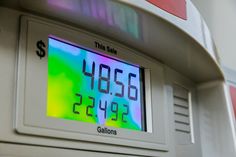
Pump meter readings help management understand how much fuel has been dispensed.
At the beginning of a shift or reporting period, the opening meter reading is recorded.
At the end, the closing meter reading is captured.
The basic calculation is:
Closing Meter Reading - Opening Meter Reading = Litres Dispensed
The litres dispensed affect fuel inventory.
If pump readings show that 5,000 litres were sold, management should expect a corresponding movement in fuel stock, subject to other approved fuel activities.
Incorrect meter readings can therefore affect inventory calculations.
Pump records should be carefully captured and connected to the correct pump, nozzle, and fuel product.
Use Tank Dip Readings to Verify Fuel Stock
Tank dip readings help filling stations estimate the physical quantity of fuel available in underground storage tanks.
These readings are important because they provide management with information about the actual fuel position.
The verified tank stock can be compared with the expected stock.
For example:
Expected fuel stock: 15,000 litres
Verified tank stock: 14,850 litres
Difference: 150 litres
The difference may represent fuel variance.
Management should review operational records to understand the possible cause.
Reliable tank measurements improve inventory accuracy.
Track Fuel Transfers
Inventory may move between tanks or approved operational locations.
Every transfer should be recorded.
The record should identify the source, destination, product, quantity, date, and responsible personnel.
A transfer should reduce the stock position of the source location and increase the stock position of the receiving location.
If only one side of the transaction is recorded, inventory reports may become inaccurate.
Clear transfer records create a history of stock movement.
This is particularly important for petroleum businesses operating multiple locations.
Account for Calibration Activities
Pump calibration can affect fuel inventory.
Fuel may be dispensed during calibration or testing.
If the quantity is not properly recorded, the fuel may appear as an unexplained stock difference.
Calibration activities should have clear operational records.
Management should know the pump involved, date of the activity, quantity where applicable, and responsible personnel.
Approved fuel activities should be included when reviewing inventory movement.
Managing Lubricants and Engine Oils
Many filling stations sell lubricants and engine oils.
These products should not be treated as minor inventory.
Each item has a cost and selling value.
Management should know the quantity purchased, quantity received, quantity sold, and current stock balance.
Products may also have different sizes and variations.
For example, the same lubricant brand may be available in one-litre, four-litre, and larger containers.
Each variation should be properly identified.
Combining different product sizes into one inventory record can create inaccurate stock information.
Manage Shop and Convenience Items
Some filling stations operate convenience shops.
These shops may sell drinks, snacks, automotive products, toiletries, and other items.
Shop inventory should be managed separately from fuel inventory while still remaining visible to management.
Every product should have a clear stock record.
Management should know the quantity received and the quantity sold.
Damaged, expired, or missing items should be recorded according to approved company procedures.
Without proper shop inventory controls, small product losses can accumulate.
Set Reorder Levels
A filling station should not wait until inventory is completely finished before placing a new order.
Reorder levels help management identify when stock is becoming low.
For example, a station may determine that petrol stock should not fall below a specific operational level before a new purchase is initiated.
The same approach can be applied to lubricants and shop products.
Reorder levels can help reduce stock-out situations.
They also support better purchasing planning.
Management should consider product demand, supplier delivery time, storage capacity, and operational requirements when setting reorder levels.
Avoid Overstocking
Low inventory can create problems, but excessive inventory can also affect the business.
When a station purchases more non-fuel stock than it can sell within a reasonable period, money remains tied up in inventory.
Some products may also expire or become damaged.
Management should review sales patterns before purchasing large quantities of shop items or lubricants.
Inventory decisions should be based on information.
Knowing which products sell quickly and which products remain in stock for long periods can help management purchase more effectively.
Conduct Regular Stock Counts
Physical stock counts are important for non-fuel inventory.
Management should periodically compare recorded inventory quantities with actual products available.
If the system shows 50 units of a lubricant but the physical count shows 42 units, there is an eight-unit difference.
The difference should be investigated.
Possible causes may include unrecorded sales, damaged products, incorrect receiving records, stock transfer errors, or unauthorized activity.
Regular stock counts help management identify inventory differences earlier.
Monitor Inventory Adjustments
Sometimes inventory records need to be adjusted.
A product may be damaged.
An incorrect quantity may have been entered.
An approved operational event may require a stock correction.
Adjustments should not be made without clear records.
Management should know why the adjustment occurred, who requested it, who approved it, and the quantity affected.
Frequent adjustments involving the same product or branch may indicate a larger operational problem.
Inventory adjustments should be reviewed as part of management reporting.
Inventory Management for Multiple Filling Stations
Managing inventory becomes more complex when a petroleum company operates several filling stations.
Each station has its own fuel stock.
Branches may also manage lubricants and shop products.
Head office needs visibility into the inventory position of every location.
Without centralized information, each station may maintain separate spreadsheets.
Management must then collect and combine reports.
One branch may have excess inventory while another station is running low.
A centralized inventory system can help management compare branch stock positions.
This supports better purchasing and transfer decisions.
The Cost of Poor Inventory Management
Poor inventory management can affect a filling station in several ways.
The station may experience unexplained stock shortages.
Management may purchase products that are already available.
Popular items may run out unexpectedly.
Fuel differences may remain unnoticed.
Expired or damaged products may increase.
Reports may show stock quantities that do not match physical inventory.
Each of these problems has a financial impact.
The cost may not always appear as one large loss.
Small inventory problems can gradually reduce profitability.
The Problem With Manual Inventory Records
Many filling stations manage inventory using notebooks and spreadsheets.
A fuel stock record may be stored in one spreadsheet.
Lubricant inventory may be kept in a notebook.
Shop products may use another file.
Fuel delivery records may be stored separately.
When management needs a complete inventory report, information must be collected from different sources.
Manual data entry also creates opportunities for errors.
A wrong quantity can affect stock balances.
A spreadsheet formula may be changed.
A file may not be updated.
For petroleum companies with multiple stations, disconnected inventory records create even greater complexity.
Using Technology for Filling Station Inventory Management
A filling station management system can help centralize inventory information.
Axio Suite is designed to support petroleum businesses in managing important operational records, including fuel stock, purchases, deliveries, pump activities, tank dip readings, and other station operations.
Centralized information gives management better visibility into inventory movement.
For companies operating multiple stations, head office teams can review branch activities and compare operational information.
Technology does not remove the need for proper stock procedures.
It provides a structured environment for managing inventory records.
Use Inventory Reports to Make Decisions
Inventory reports should support management decisions.
Station owners should review fuel stock positions regularly.
Management should understand which products move quickly.
Slow-moving non-fuel products should be identified.
Recurring inventory differences should be investigated.
Branch stock levels should be compared.
Purchase decisions should consider current inventory information.
When management uses inventory data properly, the business can reduce unnecessary purchases and improve stock control.
Conclusion
Filling station inventory management involves more than checking how much fuel remains in a tank.
Management needs to understand the complete movement of inventory.
Fuel deliveries must be recorded.
Pump sales should be monitored.
Tank stock needs verification.
Transfers and calibration activities should have clear records.
Lubricants and shop products also require proper stock control.
Every product represents business value.
When inventory records are accurate, filling station owners can make better purchasing decisions, identify discrepancies earlier, and improve operational accountability.
Axio Suite helps filling stations and petroleum businesses centralize inventory and operational information, monitor fuel activities, and gain better visibility across branches.
Better inventory management begins with knowing what you have, where it is, and how it is moving.
Request an Axio Suite demo and discover a smarter way to manage filling station inventory and petroleum operations.
Tags
#filling station inventory management
#fuel inventory management
#fuel stock management
#filling station stock control
#petroleum inventory
#filling station management
#fuel station management
#fuel delivery management
#pump meter readings
#tank dip readings
#lubricant inventory
#filling station shop inventory
#filling station software
#Axio Suite
#petroleum management software
#fuel reconciliation
#fuel variance
#OMC management
#filling station Ghana
#petroleum operations
Ready to try Axio Oil Suite?
Start your free 7-day trial — no credit card required.
Start Free Trial
More Reading